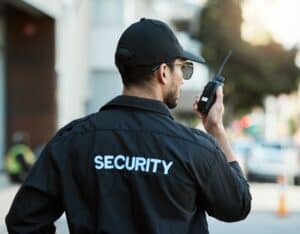
Unarmed Security Guards in {TexasCities}
Introduction
Finding the best unarmed security guards in San Antonio, TX requires a balanced approach that weighs credentials, local expertise, and service delivery. With tourism hubs like the River Walk, busy retail corridors, and growing construction sites, threats range from theft and trespass to crowd control and customer safety. By following a deliberate, step-by-step process, you can identify providers who protect people and property while supporting a welcoming environment for customers, employees, and residents. The following guidance outlines what to verify, which questions to ask, and how to compare proposals so you select a partner built for San Antonio’s pace.
Understand Licensing and Training
First, confirm legal compliance. In Texas, unarmed guards must hold a Level II Non-Commissioned Security Officer credential through the Department of Public Safety Private Security Program. Verify both the individual guard registrations and the company license using the DPS online search. Ask about fingerprint-based background checks, drug screening, and annual refresher training. Providers should document site-specific orientation and de-escalation fundamentals, and they should be able to show written policies for use of force, incident reporting, and citizen interaction.
Assess Provider Quality
Beyond credentials, evaluate how the company recruits, supervises, and retains talent. Low turnover and competitive pay typically translate into more reliable posts and better customer service. Look for field supervisors who conduct unannounced inspections, a 24/7 dispatch line, and clear escalation protocols with SAPD. In San Antonio, bilingual English-Spanish capability and hospitality-focused training can markedly improve outcomes in public-facing environments. Request references from local clients with similar risk profiles and ask for performance metrics, not just testimonials.
Match Guards to Your Risk Profile
Equally important is fit. Ask for a no-cost site assessment that identifies vulnerabilities, peak-risk hours, and recommended post orders. Retail centers may need high-visibility patrols and theft deterrence, while construction sites benefit from after-hours access control and perimeter checks. Event venues near downtown require crowd management and liaison with property management. Ensure the provider tailors guard appearance, patrol frequency, and reporting cadence, and confirm they practice emergency drills aligned to your fire, medical, and severe-weather plans.
Compare Costs and Contracts
Additionally, compare proposals on total value, not hourly rate alone. Demand transparent billing that specifies overtime, holiday rates, minimums, and cancellation terms. Review proof of insurance, including general liability and workers’ compensation, and confirm indemnification language. Technology matters too; GPS-verified tours, time-stamped daily activity reports, and incident photos improve accountability. Define service-level agreements for coverage, response times, and supervisor visits, and include an easy termination clause if performance slips. Favor vendors who invest in training and pay living wages to sustain consistency.
Conclusion
Finally, selecting the best unarmed guards in San Antonio hinges on due diligence and local alignment. Verify DPS credentials, scrutinize supervision and training, demand tailored post orders, and lock in clear, accountable contracts. When a provider blends compliance, people-first service, and measurable performance, you gain a visible deterrent and a courteous presence that supports your brand. With the right partner, safety becomes seamless, allowing your business or property to thrive in San Antonio’s dynamic environment.