Emergency Firewatch Security in {TexasCities}
Introduction
When a fire alarm fails, hot work begins, or a building faces heightened risk, securing reliable emergency firewatch security becomes critical. In San Jose, CA—home to complex tech campuses, construction projects, and dense multi-tenant properties—choosing the right provider can protect people, property, and compliance. The following guidance will help you identify a qualified partner quickly and confidently.
Understand the role
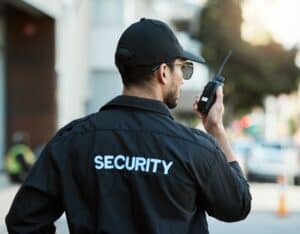
Emergency firewatch officers conduct continuous patrols to detect fire hazards, respond to alarms, and initiate evacuation procedures. They document rounds, monitor hot work areas, and escalate issues immediately. In San Jose, providers should be fluent in local fire code requirements and understand how to coordinate with the San Jose Fire Department during alarm impairments or permits.
Verify credentials and compliance
Start by confirming the company’s California BSIS Private Patrol Operator license and ensuring all guards hold valid BSIS guard cards. Verify training in firewatch procedures, hot work oversight, and Cal/OSHA safety. Ask for proof of insurance, including general liability and workers’ compensation, and confirm familiarity with NFPA 601 guidelines. A provider that understands San Jose’s permitting, including hot work and system impairment protocols, will help you stay compliant.
Prioritize rapid response and staffing
In emergencies, time is paramount. Seek providers that can mobilize within 60 minutes in Santa Clara County and offer 24/7 dispatch. Clarify guard-to-site ratios, supervision structures, and relief coverage for extended outages. Local deployment capability—vehicles, on-call supervisors, and spare equipment—signals readiness for immediate and sustained coverage.
Evaluate training and protocols
Ask for sample post orders and escalation plans that outline patrol frequency, hazard identification, evacuation steps, and contact trees. Ensure guards receive scenario-based training for alarm impairments, construction hazards, and high-tech facility risks. Confirm that officers carry communications devices, understand extinguisher use within policy, and maintain detailed, time-stamped logs.
Look for technology and reporting
Modern firewatch relies on verifiable reporting. Prefer vendors using QR or NFC checkpoints, GPS-validated patrols, and electronic Daily Activity Reports with photos. Real-time alerts for missed rounds and incident notifications keep stakeholders informed. This transparency supports audits, insurance claims, and fire department inquiries.
Consider reputation and local expertise
Review recent San Jose-focused references, online reviews, and case studies involving alarm outages, hot work, or construction sites. A strong local presence—offices or supervisors in the South Bay—and established relationships with property managers and contractors indicate reliability. Be cautious of undisclosed subcontracting, vague licensing, or limited documentation.
Compare pricing and contract terms
Request all-inclusive quotes that specify hourly rates, minimum hours, holiday and overtime premiums, and mobilization fees. Examine service level agreements, cancellation terms, and indemnification language. While cost matters, prioritize demonstrated response time, training, and compliance—cut-rate options often create greater risk.
How to vet and decide
Shortlist three providers, verify licenses and insurance, and request a rapid site walk. Evaluate their proposed post orders, reporting samples, and supervisor oversight. Choose the firm that aligns with your timeline, risk profile, and documentation needs, then confirm a clear start time and contact hierarchy.
Conclusion
Finding the best emergency firewatch security in San Jose requires balancing speed, compliance, capability, and accountability. By validating credentials, confirming rapid deployment, and insisting on rigorous protocols and transparent reporting, you can secure a partner who protects your people, property, and operations when it matters most.