Emergency Firewatch Security in {TexasCities}
Introduction
Emergencies rarely wait for business hours, and in Atlanta, GA, a reliable emergency firewatch can protect lives, property, and compliance when alarms or sprinklers are impaired. Choosing the right provider requires more than a web search. The following guidance explains what firewatch entails, the credentials to verify, and the performance standards you should expect from a professional security partner.
What is emergency firewatch
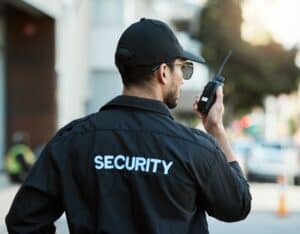
Firewatch is a temporary, human hazard-control measure used when fire protection systems are down, during hot work, or after incidents. Trained officers patrol routes, identify hazards, maintain logs, and initiate response if smoke or fire is detected. In practice, effective firewatch bridges the gap until systems are restored, reducing risk for multifamily, commercial, construction, healthcare, and industrial properties across the metro area.
Compliance and credentials
Because firewatch is often mandated by the Authority Having Jurisdiction, start by confirming compliance. Verify the company is licensed in Georgia, carries liability and workers’ compensation insurance, and runs background checks. Ask how they align with Atlanta Fire Rescue Department guidance, NFPA life safety standards, and OSHA hot work rules. Reputable firms provide written post orders and documentation templates accepted by local inspectors and insurers.
Response and staffing
Next, evaluate response capabilities. In emergencies, you need 24/7 dispatch, rapid mobilization, and clear escalation paths to supervisors. Request typical arrival windows, coverage guarantees, and contingency plans. Confirm staffing to maintain continuous patrols, breaks, and shift transitions without gaps. Ensure officers receive site-specific orientation, including egress routes, fire department access points, shutoff locations, and communication protocols with your designated representatives.
Reporting and technology
Accurate documentation is essential. Strong providers use digital, time-stamped logs with GPS-verified patrol points and real-time alerts. Ask to see example reports, daily summaries, and incident narratives that meet insurer and regulator expectations. Additionally, clarify how they coordinate with your alarm vendor, restoration team, or contractor to track impairments and clearance. Transparent reporting not only proves compliance but also reveals trends to reduce future risk.
Pricing and contracts
While urgency matters, cost clarity prevents surprises. Request written estimates that outline hourly rates, holiday or emergency premiums, minimum hours per shift, travel charges, and any mobilization fees. Review termination and extension terms for multi-day impairments. Prefer vendors that offer performance service levels and references from Atlanta clients with similar occupancies. Finally, confirm who approves overtime and how invoice disputes are resolved, so operational decisions stay aligned with your budget.
Conclusion
Selecting the best emergency firewatch security in Atlanta requires deliberate preparation. By verifying credentials, confirming regulatory alignment, assessing response and staffing, and insisting on robust reporting and clear pricing, you can separate true professionals from short-term stopgaps. Create a shortlist, prequalify vendors before outages, and conduct a brief tabletop drill. With a ready plan and trusted partner, you will meet requirements and protect people and property through every shift.