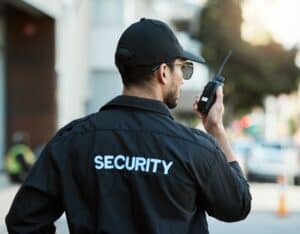
Parking Lot Security Guards in {TexasCities}
Introduction
Parking lots in Los Angeles, CA face unique risks, from high vehicle turnover to catalytic converter theft and late night activity. Selecting the right security guards can protect assets, enhance customer experience, and reduce liability. To help you navigate the process, this guide outlines a practical, step by step approach tailored to the Los Angeles market, ensuring your decision is informed, compliant, and aligned with your operational goals.
Define your needs
Begin by clarifying your site profile and risk tolerance. Consider location, hours of operation, lighting, camera coverage, recent incidents, and peak traffic periods. Determine whether you need armed or unarmed guards, vehicle or foot patrols, and support for traffic control or citation management. Additionally, establish expectations for customer service, bilingual capability, and collaboration with property management. With a clear scope, you can request targeted proposals that address specific vulnerabilities and outcomes.
Verify licensing and compliance
In California, legitimate providers hold a Private Patrol Operator license from BSIS, and every guard must have a valid BSIS Guard Card. If your site requires armed coverage, confirm current firearms permits and range qualifications. For equipment like baton or OC spray, check additional certifications. Equally important, require proof of general liability, workers’ compensation, and auto insurance. Finally, ensure the vendor follows California training standards and Los Angeles policies around trespass and incident documentation.
Evaluate experience and training
Los Angeles parking environments demand specialized skills. Favor firms with a track record in retail centers, hospitals, event venues, and mixed use properties. Ask about de escalation training, homelessness engagement protocols, vehicle break in prevention, and catalytic converter theft deterrence. Review guard turnover rates, supervision ratios, and uniform standards to gauge professionalism. Request sample post orders, an escalation matrix, and incident reports to confirm procedural discipline and clarity around roles and responsibilities.
Assess technology and supervision
Modern parking security combines people and technology. Look for patrol management tools with GPS verification, geofenced checkpoints, time stamped reports, and photo evidence. Depending on your risk profile, ask about ALPR integration, lighting audits, radio communications, and body camera policies. Confirm that field supervisors conduct regular inspections and coaching. Establish KPIs such as response times, patrol frequency, incident reduction, and customer service metrics, and ensure you receive clear, scheduled performance reporting.
Compare proposals and costs
Issue a concise RFP detailing lot size, access points, current technology, incident history, and service hours. Seek transparent pricing that separates base hourly rates, overtime, holiday rates, and equipment fees. Verify wage levels to support retention and reliability, and compare onboarding plans and training hours. Review contract terms for staffing guarantees, replacements, termination clauses, and indemnification. Finally, request local references and conduct site walks to see how each provider translates proposals into practical coverage.
Conclusion
Finding the best parking lot security guards in Los Angeles, CA requires a balanced evaluation of compliance, capability, technology, and fit. By defining your needs, verifying credentials, examining relevant experience, and setting measurable expectations, you can select a partner who elevates safety and customer confidence. With disciplined oversight and clear KPIs, your parking operation can transition from reactive measures to a proactive, data driven security program.