Key Takeaways
- A comprehensive school security blueprint must include multiple layers of protection including physical barriers, technology, personnel, and emergency protocols.
- Modern school security systems integrate surveillance cameras, access control, and emergency communication tools with traditional security measures for maximum effectiveness.
- Security risk assessments should be the first step in developing any school safety plan to identify specific vulnerabilities unique to each campus.
- Training staff on emergency procedures is equally as important as installing security hardware when creating truly safe learning environments.
- School safety solutions from SecurityPro offer customized approaches that balance rigorous protection with maintaining positive educational atmospheres.
School violence incidents have surged by 41% in the last decade, creating an urgent need for robust security frameworks that protect our educational institutions. The challenge isn’t just about preventing catastrophic events – it’s about creating environments where students and staff feel safe enough to focus on learning. SecurityPro has been at the forefront of developing comprehensive security strategies that address these complex challenges while preserving the nurturing atmosphere essential to education.
The Rising Need for Comprehensive School Security
The landscape of school security has transformed dramatically in recent years. What was once focused primarily on fire drills and basic visitor sign-ins has evolved into sophisticated, multi-layered systems designed to address a spectrum of potential threats. This shift stems from both tragic incidents that have garnered national attention and the growing recognition that security isn’t a one-size-fits-all proposition.
Data from the National Center for Education Statistics reveals that 93% of public schools now implement controlled access to buildings during school hours, yet many still lack comprehensive security plans that address the full range of modern threats. The gap between having isolated security measures and implementing a cohesive security ecosystem represents the primary vulnerability in many educational institutions today.
Creating truly safe schools requires moving beyond reactive thinking toward proactive security frameworks. These frameworks must balance physical security with psychological safety, recognizing that visible security measures can either reassure or create anxiety depending on how they’re implemented. When designed thoughtfully, comprehensive security plans actually enhance the learning environment rather than detract from it.
Essential Components of an Effective School Security System
A robust school security system rests on five critical pillars: physical infrastructure, technology integration, properly trained personnel, clearly defined protocols, and effective communication systems. Like interlocking pieces of a puzzle, each component reinforces the others to create a cohesive security ecosystem. When any single element is missing or underdeveloped, vulnerabilities emerge that can compromise the entire system.
Physical Security Measures That Actually Work
The foundation of school security begins with physical infrastructure designed to control access and create defensive layers. Effective physical security starts with clearly defined property boundaries using fencing, landscaping, or other barriers that naturally guide visitors toward designated entry points. Single-point entry systems funnel all visitors through a central location where they can be properly screened and logged.
Properly designed classroom doors represent another critical physical security element that’s often overlooked. Classroom doors should include deadbolt locks that can be engaged from inside the room, vision panels with one-way visibility capabilities, and reinforced frames that resist forced entry. Research from security assessments shows that classrooms with these features provide significantly improved protection during lockdown scenarios.
Bulletproof glass and security vestibules at main entrances create additional layers of protection that drastically increase response time during emergency situations. While these measures require greater investment, they provide critical minutes that can make the difference between a prevented incident and a tragedy. The key is implementing these measures in ways that maintain an inviting, education-focused atmosphere.
Technology Integration for Real-Time Monitoring
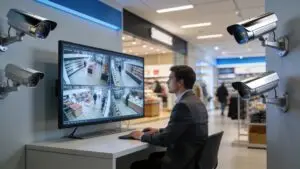
Modern school security systems leverage integrated technology platforms that connect various monitoring and communication tools. High-definition surveillance cameras with analytics capabilities can identify unusual movement patterns, unauthorized access attempts, or potential weapons. These systems don’t just record incidents for later review—they actively alert security personnel to developing situations.
Access control systems have evolved far beyond simple key cards. Biometric scanners, mobile credentials, and visitor management systems now work together to create comprehensive identity verification protocols. The most effective systems integrate with student information databases to automatically flag custody issues or other special circumstances that might affect who can access specific students.
Emergency notification systems now incorporate multiple communication channels including desktop alerts, digital signage, mobile applications, and integration with public address systems. During a crisis, these integrated systems ensure that information reaches every corner of campus within seconds rather than minutes. For more insights on maintaining campus safety, explore professional security guard services that can enhance your emergency preparedness.
Personnel Training Requirements
Even the most sophisticated security technology becomes ineffective without properly trained personnel who understand how to use it and respond appropriately during emergencies. All staff members—not just designated security personnel—should receive baseline training in threat identification, emergency protocols, and crisis communication.
Emergency Response Protocols
Comprehensive emergency response protocols must address various threat scenarios including active shooters, medical emergencies, natural disasters, and external threats. These protocols should be documented in clear, accessible language with step-by-step procedures for each type of emergency. The most effective protocols designate specific roles for staff members, establish clear communication chains, and include contingency plans when primary responses aren’t possible.
Schools with the strongest emergency preparedness regularly practice these protocols through drills that simulate realistic scenarios without causing unnecessary trauma to students. This balance between preparation and psychological safety represents one of the most challenging aspects of school security planning. Regular after-action reviews following both drills and actual incidents help continuously refine these protocols based on real-world experiences.
Communication Systems for Crisis Management
When emergencies occur, communication often becomes the critical factor determining response effectiveness. Multi-channel emergency notification systems should include both traditional methods (intercoms, phones) and modern solutions (text alerts, digital signage, mobile apps). These systems must function even if power or internet connectivity is compromised, requiring redundant backups for critical communication infrastructure.
Beyond technology, schools need established communication protocols that define exactly what information should be shared, with whom, and through which channels during different types of emergencies. These protocols should include templates for emergency messages to prevent delays caused by crafting communications during high-stress situations. Regular testing of all communication systems ensures they’ll function when needed most.
Security Risk Assessment: Where to Start
Before implementing any security measures, schools should conduct comprehensive security assessments to identify specific vulnerabilities. These assessments evaluate everything from physical infrastructure to administrative protocols, providing an objective foundation for security planning. The most valuable assessments include input from diverse stakeholders including administrators, teachers, security professionals, mental health experts, and community members.
Identifying Vulnerable Entry Points
A thorough vulnerability assessment begins by mapping all potential access points to campus and buildings. This includes not just obvious entries like main doors, but also service entrances, windows, roof access points, and utility entries. Each access point should be evaluated for its current security measures, traffic patterns, and supervision levels.
Common vulnerabilities include propped doors, unmonitored secondary entrances, and inconsistently enforced access protocols. Schools should document how each entry point is currently secured and who has access through these points during different times of day. This mapping process often reveals surprising gaps in what many assume is a secure perimeter.
Threat Analysis Based on School Location
Every school exists within a unique community context that shapes its specific security needs. Urban, suburban, and rural schools face distinctly different threat profiles based on local crime patterns, community resources, and response capabilities. Analyzing local crime data, incident reports from nearby schools, and community risk factors helps prioritize the most relevant security concerns.
Schools should partner with local law enforcement to conduct threat assessments that incorporate both school-specific factors and broader community context. These collaborative assessments help bridge the gap between educational perspectives and security expertise, resulting in more comprehensive protection strategies.
Documenting Historical Safety Concerns
A school’s own history provides valuable insights for security planning. Reviewing past incidents—from minor disturbances to serious emergencies—helps identify patterns and recurring vulnerabilities. This historical analysis should include not just what happened but also how the school responded, what worked well, and what could be improved.
Anonymous reporting systems can supplement official incident records by capturing concerns that might not reach formal documentation. When properly implemented, these systems allow students and staff to report concerning behaviors or potential threats without fear of retaliation. The combined data from official records and anonymous reporting creates a more complete picture of security challenges.
Building a Multi-Layered Security Approach
Effective school security implements multiple protective layers that an adversary would need to overcome before reaching vulnerable areas. This “defense in depth” approach ensures that no single point of failure can compromise the entire security system. Each successive layer should provide both physical and procedural barriers that delay and detect potential threats while facilitating appropriate responses.
1. Outer Perimeter Protection
The first security layer begins at the property boundaries, creating clear delineation between public and school spaces. Fencing, landscaping barriers, and clearly marked boundaries establish the initial protective perimeter. These physical elements should be complemented by surveillance systems that monitor approach routes and perimeter areas for early threat detection.
Parking lot management represents a critical component of perimeter security that’s often overlooked. Designated parking areas should be separated by user type (staff, visitors, students) with appropriate access controls for each. Vehicle barriers at key entry points can prevent unauthorized vehicle approaches while maintaining emergency access when needed.
2. Building Access Control
The building envelope forms the second critical security layer, with controlled entry points serving as the primary defensive feature. Visitor management systems should require identification verification, purpose documentation, and credential issuance. The most effective systems automatically check visitors against watchlists and sex offender registries while capturing photo documentation of all campus visitors.
Model Security Vestibule Components:
• Exterior doors with shatter-resistant glass and electronic access control
• Visitor holding area with secondary secured entry point
• Visitor management station with ID scanning capabilities
• Direct sight lines from administration offices
• Emergency lockdown capabilities
• Duress alarms for front office staff
Staff access protocols require similar attention, with electronic access systems that log entry times, locations, and credential usage. These systems should differentiate access levels based on role and time of day, limiting after-hours access to authorized personnel. Regular audits of access logs help identify unusual patterns that might indicate security concerns.
3. Classroom Security Features
Classrooms represent the final protective layer and require specific security features to function effectively during emergencies. Quick-lock mechanisms on classroom doors allow teachers to secure their rooms without entering the hallway or using keys. These locks should be easily engaged but difficult to defeat from the outside. Window coverings that can be quickly deployed provide additional protection by blocking visibility into classrooms during lockdown situations.
4. Digital Security Systems
Digital security extends beyond physical protection to safeguard sensitive information and communication systems. Comprehensive network security protects student records, administrative communications, and emergency response systems from cyber threats. Schools should implement segmented networks that separate administrative, instructional, and security systems to prevent cascading failures during cyber incidents.
Emergency communication platforms require particular attention, with redundant systems ensuring functionality even when primary networks fail. These platforms should integrate with physical security systems to provide automated alerts when physical breaches occur. Regular security audits and penetration testing identify vulnerabilities before they can be exploited by malicious actors.
The Human Element: Security Personnel Options
Technology alone cannot create secure schools – the human element remains essential for effective security implementation. Security personnel serve as both visible deterrents and critical first responders during emergencies. The specific personnel model should align with each school’s unique needs, resources, and community context.
Many schools struggle with determining the appropriate security staffing model, weighing factors like cost, training requirements, and community perception. What works for an urban high school may differ dramatically from what’s appropriate for a rural elementary school. The key is developing a personnel approach that provides necessary protection while supporting educational objectives.
Research consistently shows that the effectiveness of security personnel depends more on their training, integration with the school community, and clearly defined roles than on whether they’re sworn law enforcement officers or private security staff. Personnel who build positive relationships with students often identify potential issues before they escalate into serious incidents. For more insights, consider debunking myths about armed security guards and their roles in school safety.
School Resource Officers vs. Private Security Guards
The debate between School Resource Officers (SROs) and private security personnel continues in many communities. SROs bring law enforcement training and legal authority but come with higher costs and concerns about criminalization of student behavior. Private security offers more flexibility in role definition and often lower costs but may lack the extensive training and authority of sworn officers.
Training Requirements for School Security Teams
Regardless of model, security personnel require specialized training beyond standard law enforcement or security preparation. This training should include adolescent psychology, de-escalation techniques, mental health crisis response, and understanding of educational environments. The most effective security personnel combine protective capabilities with mentoring skills that positively influence school culture.
Building Relationships with Local Law Enforcement
Even schools with dedicated security staff need strong relationships with local law enforcement. These partnerships facilitate faster emergency response, provide additional resources during major incidents, and create opportunities for preventative collaboration. Regular joint training exercises ensure smooth coordination when emergencies occur, with clearly established command structures and communication protocols. For schools in the area, partnering with a security guard company in Boston can enhance these efforts and provide additional support.
Technology Solutions That Enhance School Safety
The technology landscape for school security continues evolving rapidly, offering increasingly sophisticated tools for threat detection and response. The challenge for schools lies in selecting appropriate technologies that address specific vulnerabilities without creating fortress-like environments. Effective technology implementation balances security benefits against costs, complexity, and impact on school climate.
Video Surveillance Systems: What Schools Actually Need
Modern video surveillance extends far beyond passive recording to include active monitoring capabilities powered by artificial intelligence. These systems can detect unusual movement patterns, identify weapons, recognize unauthorized individuals, and alert security personnel to potential threats. Strategic camera placement should cover all entry points, common areas, and approach routes while respecting privacy in sensitive areas like restrooms and counseling offices.
Video Surveillance Best Practices:
• Coverage of all entry points and key interior zones
• High-definition cameras with low-light capabilities
• Minimum 30-day recording retention
• Mobile viewing capabilities for administrators
• Integration with access control systems
• Clear signage indicating surveillance areas
The most effective surveillance implementations include both visible deterrent cameras and discreet monitoring systems. Clear surveillance policies should address questions of who can access footage, how long recordings are retained, and under what circumstances recordings can be shared with law enforcement or other external parties.
Access Control: Beyond ID Cards
Modern access control has evolved beyond traditional ID badges to include mobile credentials, biometric verification, and multi-factor authentication systems. These advanced systems not only control who enters facilities but also track movement throughout buildings, providing valuable data during emergencies. The best systems balance security with operational efficiency, avoiding cumbersome processes that might tempt users to circumvent controls.
Emergency Alert Systems for Immediate Response
Rapid communication during emergencies saves lives. Contemporary alert systems combine traditional methods like intercoms and fire alarms with modern solutions including mobile panic buttons, desktop alerts, digital signage, and automated messaging. These integrated systems ensure that emergency information reaches everyone on campus within seconds rather than minutes, often making the critical difference in emergency outcomes.
Visitor Management Technologies
Advanced visitor management systems now offer comprehensive screening capabilities including ID verification, sex offender registry checks, custody restriction alerts, and automated badge printing. These systems maintain detailed visitor logs that prove invaluable during emergencies and investigations. Schools should ensure that visitor management procedures are consistently implemented regardless of time of day or familiarity with visitors.
Creating and Testing Emergency Response Plans
Even the most sophisticated security infrastructure proves ineffective without well-developed emergency response plans. These plans should address the full spectrum of potential emergencies from active threats to medical crises, natural disasters, and community emergencies. The most effective plans are simple enough to implement under stress while comprehensive enough to address various scenarios.
Lockdown Procedures That Save Lives
Lockdown protocols have evolved significantly based on lessons learned from past tragedies. Modern approaches include differentiated responses based on threat location and type, moving beyond one-size-fits-all lockdowns. Options-based protocols like “Run-Hide-Fight” provide decision frameworks that empower staff to make appropriate choices based on their specific circumstances rather than following rigid procedures that might increase risk in certain situations.
Evacuation Strategies for Different Threats
Evacuation planning must account for various scenarios including fires, chemical spills, structural failures, and external threats. Comprehensive plans identify multiple evacuation routes, staging areas, and accountability procedures for different emergency types. Special attention should be given to evacuating students with disabilities or medical needs, with specific staff members assigned to assist these students during emergencies.
Reunification Planning for Parents and Students
Perhaps the most overlooked aspect of emergency planning involves reunification procedures that reconnect students with families following evacuations. Effective reunification plans designate specific locations, establish verification procedures to ensure students are released to authorized individuals, and include communication protocols that provide families with accurate information during highly emotional situations. These plans require coordination with local emergency management agencies to ensure sufficient resources during large-scale events.
Regular Drill Requirements and Best Practices
Emergency plans remain theoretical until tested through regular drills that build muscle memory and reveal potential weaknesses. Effective drill programs balance realism with sensitivity to student psychological welfare, providing adequate preparation without creating unnecessary trauma. Age-appropriate explanations should accompany all drills, helping students understand protective measures without inducing fear.
Balancing Security with a Positive Learning Environment
“The most secure school environments combine rigorous protection measures with warm, welcoming atmospheres. When students feel both physically safe and emotionally supported, learning flourishes.”
Perhaps the greatest challenge in school security involves implementing robust protection without creating institutional, prison-like atmospheres. Research consistently shows that students learn best in environments where they feel both physically safe and emotionally secure. Schools that successfully balance these needs integrate security measures into the educational environment rather than imposing them as obvious additions.
The psychological impact of security measures deserves careful consideration during planning processes. Highly visible, intrusive security creates constant reminders of potential threats, potentially increasing student anxiety rather than reducing it. Thoughtfully designed security measures can provide equal or greater protection while maintaining positive educational atmospheres.
Community input plays a critical role in balancing security needs with educational values. Schools should engage students, parents, teachers, and community members in security planning processes, ensuring that implemented measures align with shared values and expectations. This collaborative approach typically results in higher compliance with security protocols and greater community support for necessary investments. For more insights, consider reading about debunking myths about armed security guards to understand the role they play in educational settings.
Reducing Student Anxiety About Security Measures
Clear, age-appropriate communication about security measures helps students understand protection without focusing on unlikely scenarios. Students should know what safety procedures exist and why they matter, but discussions should emphasize the rarity of serious incidents and the primary focus on learning. Regular, matter-of-fact practice of emergency procedures helps normalize safety protocols without dramatizing potential threats. For more insights, consider debunking myths about armed security guards to better understand their role in school safety.
Designing Secure Spaces That Don’t Feel Like Fortresses
Architectural approaches to security can maintain welcoming aesthetures while providing robust protection. Strategic landscaping creates natural access control through defined pathways and boundaries without imposing visible barriers. Interior design elements like transparent materials, natural lighting, and thoughtful color schemes maintain open atmospheres while still supporting security objectives.
New construction and renovation projects offer ideal opportunities to integrate security measures during the design phase rather than retrofitting them later. Security-focused design principles like Crime Prevention Through Environmental Design (CPTED) should inform all facility planning, with security professionals involved throughout the design process. This integrated approach typically results in more effective, less obvious security measures.
Invisible Security Features:
• Impact-resistant glass that looks identical to standard windows
• Decorative bollards and planters that prevent vehicle approaches
• Natural landscaping that channels visitors to appropriate entrances
• Welcoming security vestibules integrated into entrance designs
• Classroom door hardware with inconspicuous emergency locking features
• Strategic office placement providing natural surveillance
Many highly effective security measures remain virtually invisible to casual observation while providing significant protection. These “invisible” security elements protect without creating institutional feelings that detract from educational missions. Security professionals should prioritize these unobtrusive approaches whenever possible while ensuring they provide genuine rather than merely cosmetic protection. For those looking to implement these strategies, consulting with a security guard company in Boston can offer valuable insights and support.
Involving Students in Safety Culture
Students represent the most underutilized resource in school security planning. When appropriately engaged, students become powerful partners in maintaining safe environments by reporting concerns, following security protocols, and supporting peers in crisis. Programs that empower students to take ownership of school safety typically see higher compliance rates and earlier identification of potential threats.
Funding School Security Improvements
Funding remains the primary obstacle for many schools seeking security improvements. The cost of comprehensive security upgrades often exceeds available operational budgets, requiring creative funding approaches. Schools should develop phased implementation plans that address the most critical vulnerabilities first while pursuing various funding sources for long-term improvements. For instance, schools can explore the option of hiring security guards to enhance immediate security measures.
Security planning should include detailed cost-benefit analyses that help prioritize investments based on risk reduction potential. These analyses should consider both the likelihood and potential impact of various threats, directing resources toward measures that address the most significant risks. This data-driven approach helps justify necessary expenditures to school boards, taxpayers, and other stakeholders. For more insights, consider choosing the right security measures for different scenarios.
While comprehensive security systems require significant investment, many effective measures can be implemented with minimal financial resources. Procedural improvements, staff training, community partnerships, and strategic use of existing resources often yield substantial security benefits with little or no additional cost. Schools with limited budgets should begin with these high-impact, low-cost improvements while developing longer-term funding strategies. For schools in Boston, partnering with a security guard company can be a strategic move to enhance safety without excessive expenditure.
Federal Grant Programs for School Safety
Federal funding for school security has expanded significantly in recent years, with multiple grant programs specifically targeting school safety improvements. The STOP School Violence Act provides funding for threat assessment programs, anonymous reporting systems, and security equipment. Additional funding sources include Homeland Security grants, Justice Department programs, and FEMA emergency preparedness funding targeted at educational institutions.
Successful grant applications typically demonstrate comprehensive planning, community involvement, and evidence-based approaches rather than focusing solely on equipment purchases. Schools should develop relationships with grant writers familiar with educational security funding and begin preparing application materials well before submission deadlines to maximize chances of success.
State-Level Funding Opportunities
Many states have established dedicated funding streams for school security following high-profile incidents. These programs often provide matching funds that leverage local investments or direct grants for specific security improvements. State education departments typically administer these funds, with application processes varying significantly between jurisdictions.
Beyond dedicated security funding, schools should explore alternative state funding sources that can support security-related improvements. Facilities modernization grants, technology infrastructure funding, and professional development allocations can often be directed toward projects that enhance security while serving broader educational objectives. This strategic approach allows schools to address security needs through multiple funding streams rather than relying solely on limited security-specific allocations.
Some states offer specialized technical assistance alongside financial support, providing security assessments, planning guidance, and implementation support. These resources prove particularly valuable for smaller districts that lack dedicated security personnel to guide improvement efforts. Schools should consult with state education agencies to identify available non-financial resources that can enhance security planning.
- School Violence Prevention Program (SVPP) grants administered by the COPS Office
- ESSER funding with security-related allowable uses
- State-specific school safety grant programs
- School infrastructure improvement funds
- Public safety grants with educational components
Successful schools often combine multiple funding sources to implement comprehensive security improvements, allowing them to address various aspects of security through different funding streams. This diversified approach reduces dependence on any single funding source and creates more sustainable improvement programs.
Prioritizing Security Investments on Limited Budgets
When resources remain limited despite funding efforts, schools must strategically prioritize investments to address the most critical vulnerabilities first. This prioritization should follow a systematic process beginning with comprehensive risk assessment and developing a multi-year implementation plan that addresses immediate concerns while building toward comprehensive protection. The highest priority typically goes to measures that address imminent threats to life safety, followed by those that protect against high-probability events or that serve multiple security functions.
Implementation Timeline: Making Security Improvements Now
Effective security implementation follows a phased approach that balances immediate needs with long-term objectives. Initial phases should address critical vulnerabilities through low-cost, high-impact measures like access control policy enforcement, communication protocol development, and basic staff training. Subsequent phases can incorporate more complex technology systems, physical infrastructure improvements, and advanced training programs as resources become available.
Throughout implementation, schools should maintain focus on creating truly comprehensive security ecosystems rather than collecting isolated security measures. Each component should reinforce others, creating layers of protection without significant gaps or vulnerabilities. Regular assessment throughout implementation helps identify integration issues or unaddressed vulnerabilities before they create significant weaknesses in the overall security framework.
Frequently Asked Questions
School security generates numerous questions from administrators, parents, staff members, and community stakeholders. Addressing these common questions helps build consensus around security improvements and ensures that all participants understand both the rationale behind security measures and their own roles in maintaining safe environments.
The following questions represent those most frequently raised during security planning processes. While the specific answers may vary based on individual school circumstances, the frameworks provided offer starting points for developing context-appropriate responses.
How much does a comprehensive school security system typically cost?
Comprehensive security system costs vary dramatically based on facility size, existing infrastructure, and specific protection needs. For a typical elementary school, basic security upgrades including access control, visitor management, and limited surveillance systems typically range from $25,000 to $75,000. Comprehensive systems with advanced surveillance, emergency notification platforms, and physical infrastructure improvements can range from $100,000 to $500,000 per building. Schools should focus on phased implementation that addresses critical vulnerabilities first while developing long-term funding strategies for complete systems.
What security measures can be implemented immediately with minimal budget?
Many high-impact security improvements require minimal financial investment. Consistently enforcing existing access control policies, implementing standardized visitor management procedures, developing comprehensive emergency response plans, conducting regular security assessments, and training staff on threat identification and response protocols all significantly enhance security with little or no additional cost. Schools can also develop community partnerships with local law enforcement, emergency services, and mental health providers to expand available resources without significant budget impact.
Should all school staff be trained in emergency response procedures?
Absolutely – all staff members require training in basic emergency procedures regardless of their primary roles. Everyone present during an emergency becomes a potential first responder, making universal training essential for effective crisis management. This training should include threat identification, notification procedures, evacuation protocols, lockdown implementation, and basic first aid appropriate to each staff member’s capabilities and responsibilities.
Beyond basic emergency response, schools should provide role-specific training that addresses unique responsibilities during crisis situations. Administrators need incident command training, front office staff require visitor screening protocols, and facilities personnel need specific training related to building systems and access control. This differentiated training ensures that all staff members understand both universal procedures and their specific emergency responsibilities.
The most effective training programs combine theoretical knowledge with practical application through realistic drills and scenario-based exercises. These exercises build confidence and identify potential weaknesses in both planning and implementation before actual emergencies occur. Regular refresher training maintains readiness and incorporates lessons learned from incidents at other schools.
How often should security systems and protocols be reviewed and updated?
Comprehensive security reviews should occur annually at minimum, with additional reviews following significant incidents, changes in building usage, or the emergence of new threats. These reviews should examine both technical systems (ensuring all components function as intended) and procedural elements (verifying that protocols remain relevant and effectively implemented). Many schools establish security committees that meet quarterly to address emerging concerns between comprehensive annual reviews.
What are the legal responsibilities of schools regarding student safety?
Schools have both moral and legal obligations to provide reasonably safe environments for students and staff. While specific requirements vary by jurisdiction, most states impose some form of “duty of care” obligation requiring schools to take reasonable steps to prevent foreseeable harm. This duty typically includes implementing basic security measures, developing emergency response plans, and providing adequate supervision appropriate to student ages and needs.
Beyond general duty of care obligations, schools must comply with specific state and local requirements regarding safety drills, staff training, building codes, and incident reporting. These requirements often establish minimum standards for various aspects of school security, though they rarely address comprehensive security planning. Schools should consult with legal counsel familiar with educational law to ensure compliance with all applicable requirements.
Documentation plays a critical role in demonstrating that schools have met their legal obligations regarding student safety. Schools should maintain detailed records of security assessments, improvement plans, implemented measures, staff training, drill completion, and responses to identified concerns. This documentation provides essential protection in the event of litigation following security incidents.
SecurityPro specializes in helping educational institutions develop comprehensive security frameworks that protect students and staff while maintaining positive learning environments. Our team of education security experts can help your school assess vulnerabilities, design appropriate protection systems, and implement sustainable security practices that address both immediate concerns and long-term safety objectives.